













What Are Private Shows and How Do They Differ from Public Live Streaming Rooms?
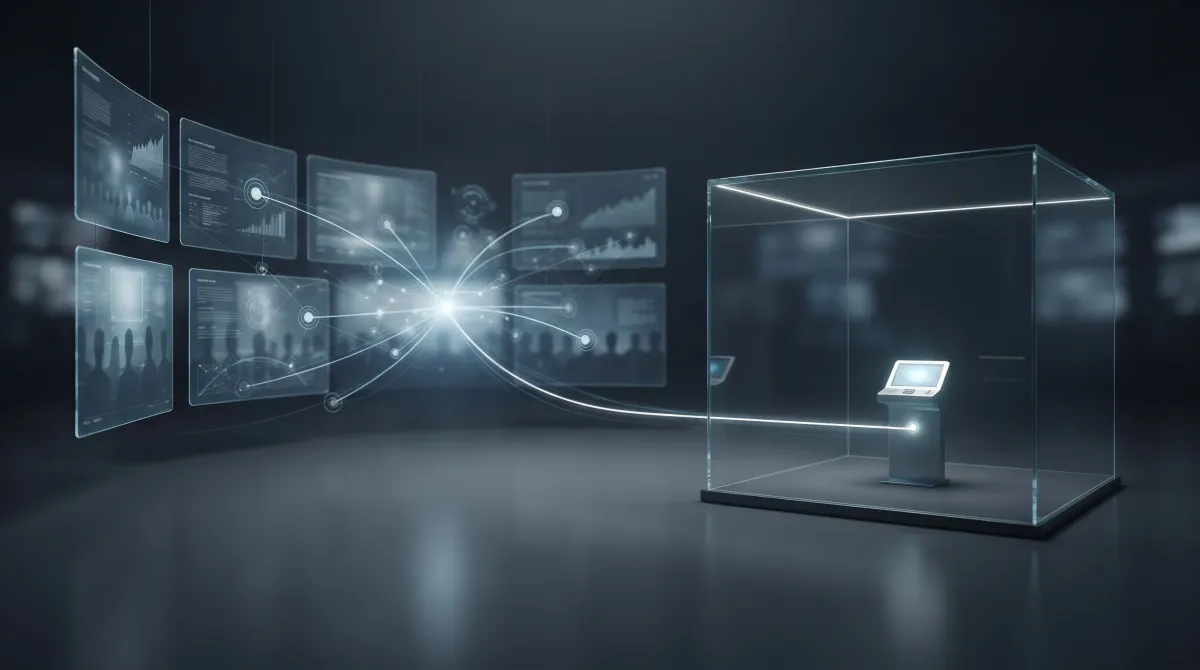
Navigating live streaming platforms involves understanding the distinct types of broadcasting environments available. While public open rooms offer casual observation and general chat engagement, private sessions provide an exclusive, tailored experience. In this comprehensive guide, we examine the mechanics of private shows, compare them with public streaming rooms, and outline how token-based systems facilitate these interactions securely.
1. Public Broadcast Rooms: Features and Dynamics
Public rooms form the backbone of any live streaming network. These are open spaces where a broadcaster performs for a general audience ranging from a few dozen to thousands of simultaneous viewers.
Key characteristics of public rooms include:
- Open Access: Anyone registered on the platform can enter and watch without additional credit deductions.
- Shared Chat Feeds: Messages are sent into a collective public stream, making individual attention more limited.
- Public Tipping: Users can send micro-tips or tokens to trigger automated room alerts and acknowledge performances.
2. Private Shows: Features and Exclusivity
In contrast, private shows (or one-on-one sessions) restrict access to a single user (or a small, invitation-only group). These sessions transition the broadcast from a public performance to an intimate, customized interactive experience.

Key characteristics of private shows include:
- Exclusive Access: Only the participating user and the broadcaster share the virtual space, ensuring absolute privacy from other viewers.
- Direct Communication: Two-way interaction and direct messaging without the distraction of a busy public chat.
- Customised Requests: Users can request specific themes, conversation topics, or bespoke content within platform guidelines.
3. Comparison Table: Public Rooms vs. Private Shows
The table below provides a clear, side-by-side comparison of the core structural and functional differences:
| Feature | Public Streaming Rooms | Private Shows |
|---|---|---|
| Audience Size | Many simultaneous viewers (Open) | Exclusive (1-on-1 or small closed group) |
| Cost Structure | Free to watch; optional public tipping | Token-based per-minute billing or flat fee |
| Interactivity Level | Shared, fast-paced public chat | Direct, focused, and personalised dialogue |
| Privacy Standards | Public visibility of usernames | High confidentiality between user and creator |
4. Understanding Token Billing for Private Sessions
Private shows typically operate on a token-per-minute billing model. Before entering a private session, users must ensure their account balance has sufficient token credits. Once initiated, tokens are deducted incrementally per minute until the user concludes the session or replenishes their balance. Transparent platforms provide real-time notification alerts regarding session duration and token expenditure.
5. Choosing Platforms that Support Secure Private Interactions
When seeking platforms that excel in private broadcasting, prioritize services that offer reliable encryption, transparent billing structures, and robust privacy policies to safeguard your user data.